
To Be A King – Volume 1 Screenshots




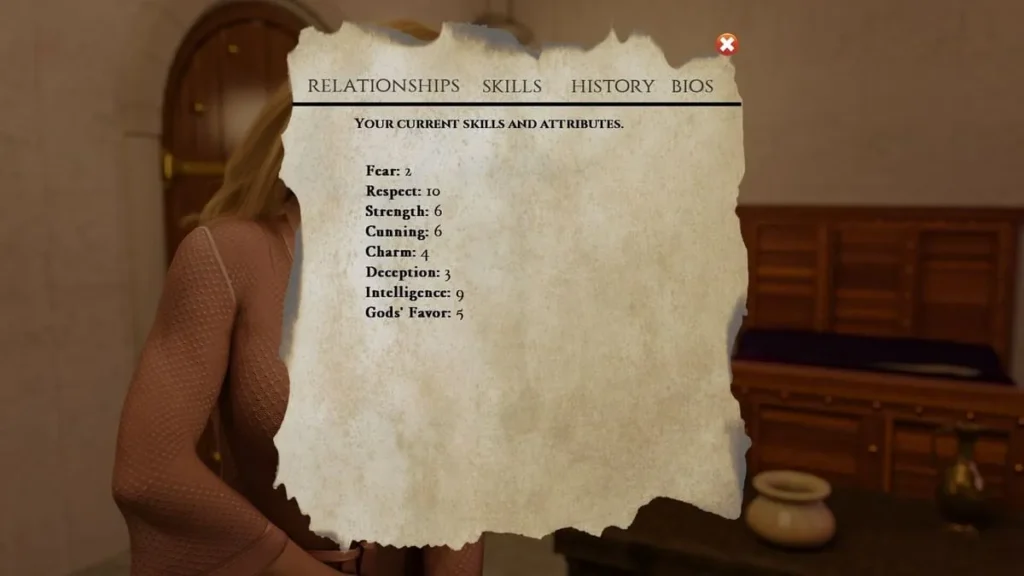
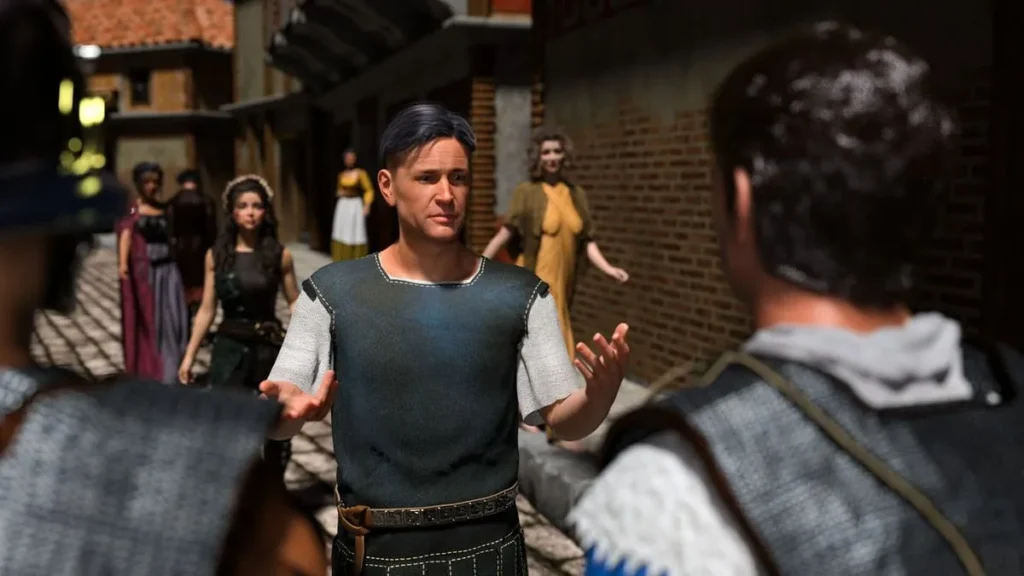
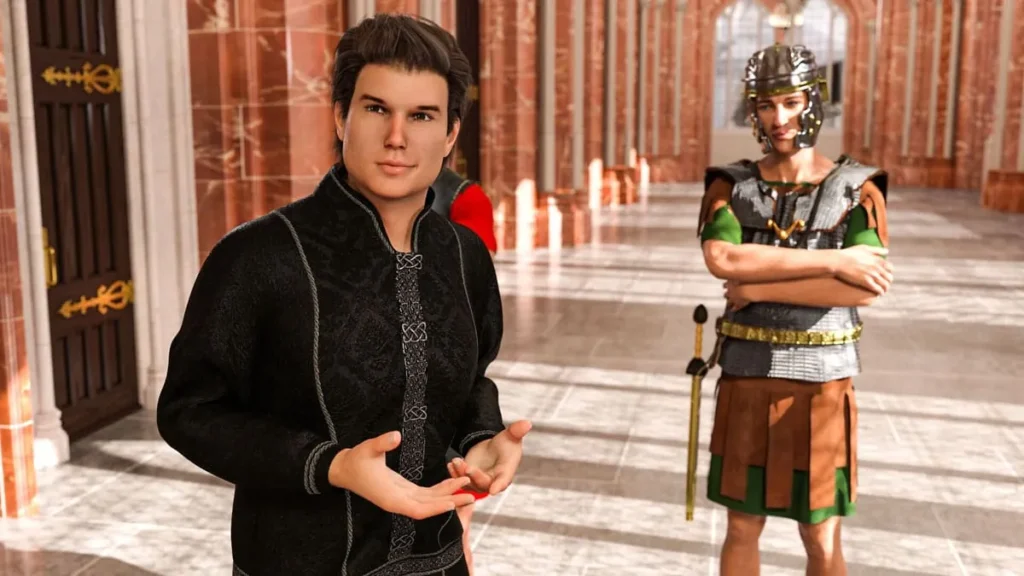
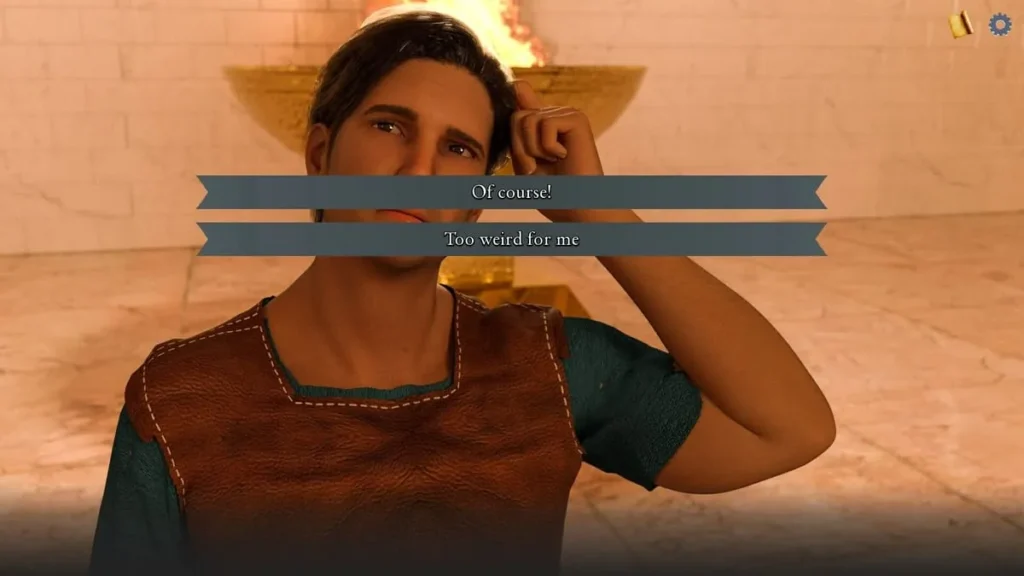





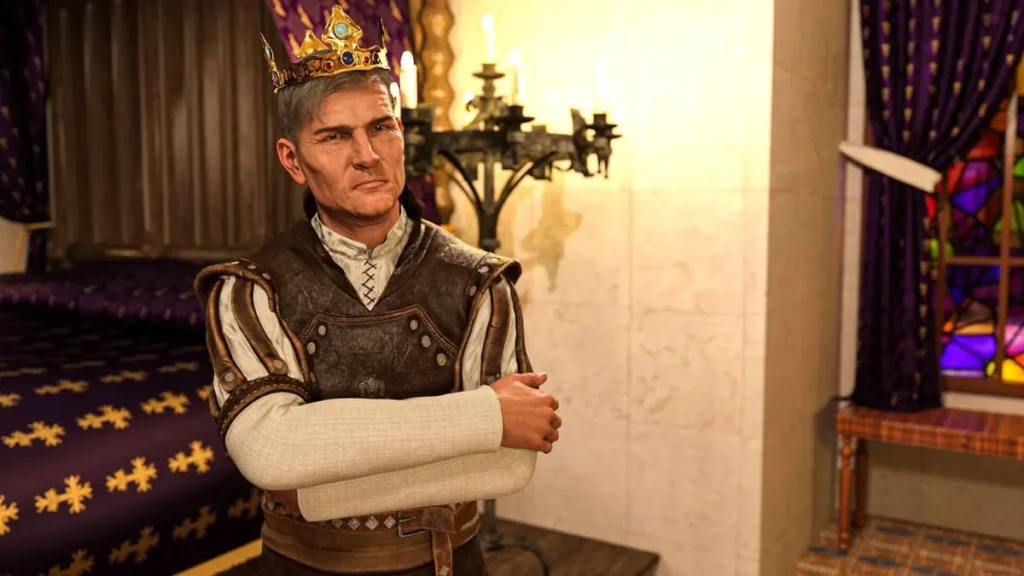


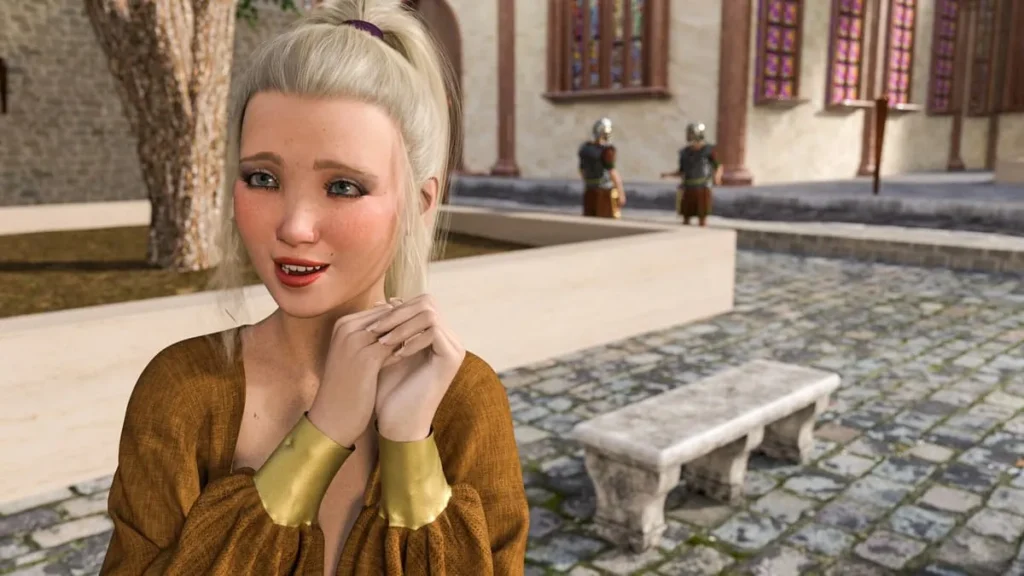


To Be A King – Volume 1 review
Exploring the gameplay, story, and unique features of To Be A King – Volume 1
To Be A King – Volume 1 is a captivating adult visual novel that immerses players in the role of a newly appointed royal minister navigating political intrigue, alliances, and personal relationships within a Roman empire setting. This game combines strategic empire management with rich character development and complex social dynamics. Whether you are drawn by its narrative depth or the interactive elements, understanding its core gameplay and story can enhance your experience significantly.
Gameplay and Storyline Overview of To Be A King – Volume 1
So, you’ve heard the whispers in the forum halls and seen the screenshots of sun-drenched marble palaces. You’re curious about To Be A King – Volume 1, but what’s it really like to play? 🤔 Is it just another clicker game with a toga skin, or something more? Let me pull back the curtain for you. Having guided my own virtual empire from a shaky provincial seat to the brink of glory, I can tell you this: it’s a masterful blend of cunning and heart, where every whispered council and every glance across a banquet hall can change the fate of nations.
Buckle up, because we’re diving deep into the experience that makes this political strategy game so utterly compelling. We’ll explore the intricate dance of its systems and the rich narrative that gives your decisions real weight. 👑
What is the core gameplay experience?
At its heart, the To Be A King gameplay is a brilliant and tense balancing act. Imagine you’re not the emperor on the throne, but the power behind it—the newly appointed Royal Minister to a young, untested ruler. Your job? Everything. You’re part shrewd economist, part spymaster, part diplomat, and part trusted mentor. This dual-layered approach is what defines the empire management game aspect.
One moment, you’re in the strategy layer, staring at the province map. Your granaries are half-full, the northern legion is grumbling about back pay, and a rival senator is sniffing around your tax records. 🗺️ Here, you manage resources, assign advisors, approve constructions, and make broad diplomatic moves. It feels like a classic, thoughtful political strategy game, where long-term planning is key.
But then, a notification flashes: “The Emperor requests your presence in the gardens.” You click, and the game seamlessly shifts into its stunning visual novel gameplay. Now, you’re in a beautifully rendered scene, dialogue choices before you. The Emperor is confiding his fears about an upcoming speech. How do you respond? With stern, pragmatic advice? With a reassuring story? This choice isn’t just about flavor; it will affect his morale, his trust in you, and his subsequent public performance.
This is the magic. The grand strategy provides the stakes and the context, while the intimate, character-driven visual novel gameplay provides the soul and the immediate consequences. You’re not just allocating “+5 Oratory” to a stat; you’re choosing the words that will build a boy into a king.
To give you a clearer picture of how these systems interact, here’s a breakdown of key gameplay pillars:
| Gameplay Element | Player’s Role & Actions | Impact of Choices |
|---|---|---|
| Political Strategy & Empire Management | Managing the treasury, overseeing construction projects, balancing military and civilian needs, setting tax policies. | Directly affects province stability, public order, military strength, and economic health. A poor harvest due to neglect can trigger unrest. |
| Alliance & Relationship Building | Choosing which patrician families to support, negotiating marriages, offering political favors, hosting games to gain popular support. | Builds a network of allies who can provide troops, money, or political backing in a crisis. Offend a powerful family, and they may become formidable foes. |
| Personal Advisor Interactions | Conversing with the young Emperor, guiding his decisions, managing his personal relationships (like with his fiery sister, Lucia), and mentoring his growth. | Shapes the Emperor’s personality traits (e.g., Bold/Cautious, Just/Pragmatic), which automatically influence state decisions and unlock unique narrative branches. |
| Interactive Story Moments | Making critical dialogue choices during key scenes: confronting a traitor, calming a mob, or deciding a prisoner’s fate. | Leads to immediate narrative consequences, alters character loyalties permanently, and can lock or unlock entire future story chapters. |
My first major “aha!” moment came when I prioritized building a new aqueduct over funding the local games. The stats looked good—public health increased! But then, in the visual novel gameplay segment, I faced a furious crowd of plebeians throwing rotten fruit, and my Emperor’s confidence plummeted. I learned that in To Be A King gameplay, numbers don’t govern people; people govern people. You must always think one step ahead. ♟️
How does the storyline unfold?
The To Be A King storyline is anything but a linear march to victory. It’s a personal, branching epic that feels uniquely yours, structured like a gripping historical drama series. The tale unfolds across distinct chapters, each focusing on a major crisis or theme—like “The Grain Shortage,” “The Senatorial Conspiracy,” or “The Barbarian Incursion.”
What makes the narrative so powerful is the weight of your interactive story choices. Early on, you might be presented with a seemingly small mercy: showing leniency to a defeated rival’s son. This isn’t a throwaway moral quiz. Hours later, that same son could appear at a critical juncture, either as a deadly assassin seeking revenge or as a loyal informant repaying your kindness, fundamentally altering the chapter’s outcome. Your past decisions constantly echo into the future.
The To Be A King storyline masterfully weaves the personal with the political. A subplot about the Emperor’s tentative romance with a foreign princess isn’t just a cute sidebar; it’s a core thread of a delicate diplomatic alliance. Your advice on the matter can lead to a powerful new ally or a devastating war. The game made me care deeply about these characters—their hopes, their insecurities, their banter—which made the high-stakes political maneuvering feel intensely personal. I’ve replayed chapters just to see how a different tone with the Emperor, more fatherly versus more like a stern general, changes his path.
Pro Tip: Save often and in different slots! Don’t be afraid to rewind to a key decision point just to witness the astounding butterfly effect your choices create. The replay value here is enormous. 💎
What makes the game’s setting unique?
Forget generic fantasy kingdoms or well-trodden medieval landscapes. To Be A King – Volume 1 plants its banner firmly in the rich, complex, and politically fertile ground of the late Roman Republic/early Empire. This Roman empire game setting is not just a pretty backdrop of columns and sandals; it’s the very engine of the drama.
This specific era is perfect for a political strategy game. You’re navigating a world where the old Republican ideals of the Senate clash with the rising power of singular rulers. You have patrician families with centuries-old vendettas, ambitious generals eyeing the throne, and a restless populace that needs “bread and circuses.” The game uses this Roman empire game setting to explore timeless themes of power, duty, legacy, and corruption in a way that feels authentic and fresh.
The atmosphere is dripping with authenticity. From the design of the villas and forums to the terminology used (you’ll become very familiar with denarii, legions, and patrons), the world feels lived-in. But it’s more than aesthetic. The societal structures of Rome define your challenges. Will you uphold strict Roman law for a captured enemy, or adopt a more “pragmatic” approach like a Hellenistic king might? The tension between Roman virtus (virtue) and realpolitik is a constant undercurrent in your interactive story choices.
In one memorable chapter, I had to investigate a conspiracy within the ranks of the Praetorian Guard. The paranoia, the shifting loyalties, the weight of history—it felt like I was living in a play by Tacitus. This Roman empire game setting provides a fascinating and sophisticated playground where your political machinations feel historically significant, making every triumph sweeter and every betrayal sharper.
Ultimately, To Be A King – Volume 1 succeeds because it seamlessly stitches together its grand strategic layer, its intimate visual novel gameplay, and its rich Roman empire game setting into one cohesive, unforgettable experience. It’s a game that trusts you with real responsibility—for the state’s coffers, for the safety of its borders, and for the heart of its future king. The To Be A King storyline becomes your story, a tale of political intrigue and personal growth that you’ll be thinking about long after you’ve closed the game. Now, if you’ll excuse me, I have an empire to run. 🏛️➡️👑
To Be A King – Volume 1 offers a rich blend of strategic empire management and immersive storytelling set in a Roman empire backdrop. Its engaging gameplay and complex character interactions provide a unique experience for players who enjoy narrative-driven games with adult themes. Exploring the political intrigues and relationship dynamics allows players to shape their own path to power. Dive into the game to experience firsthand the challenges and rewards of becoming a king.