The Restaurant
Play The Restaurant
The Restaurant Screenshots








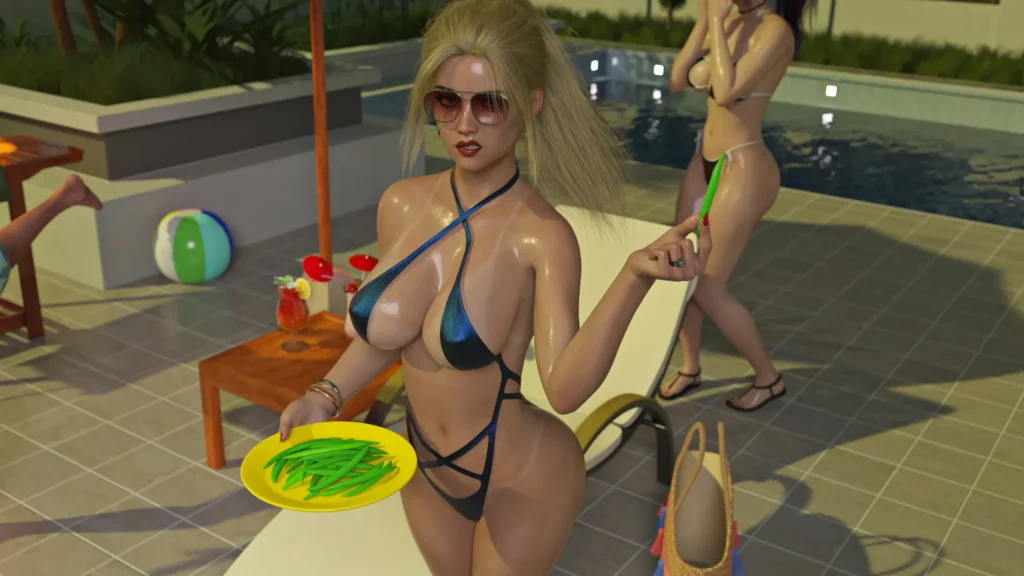



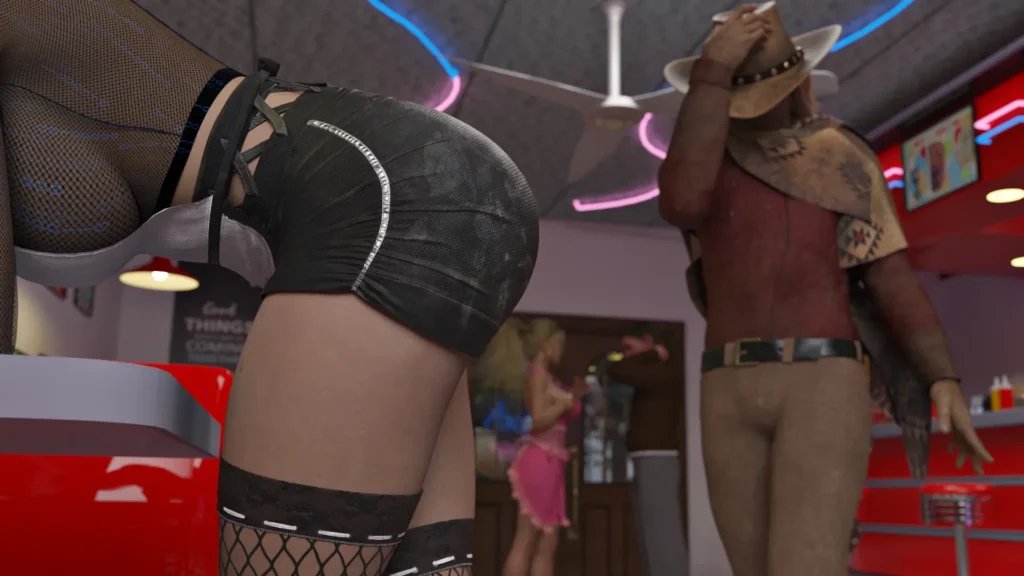

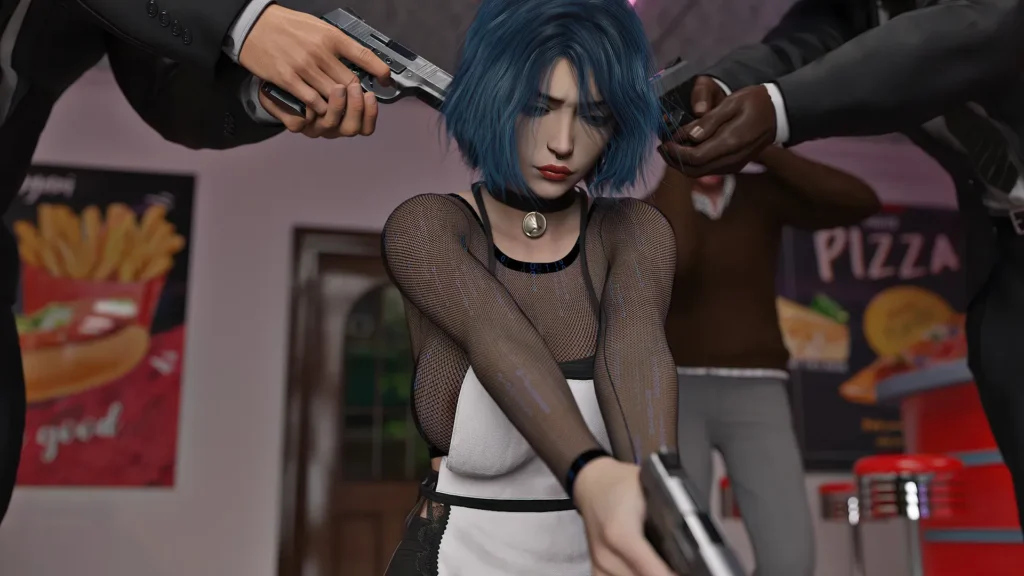

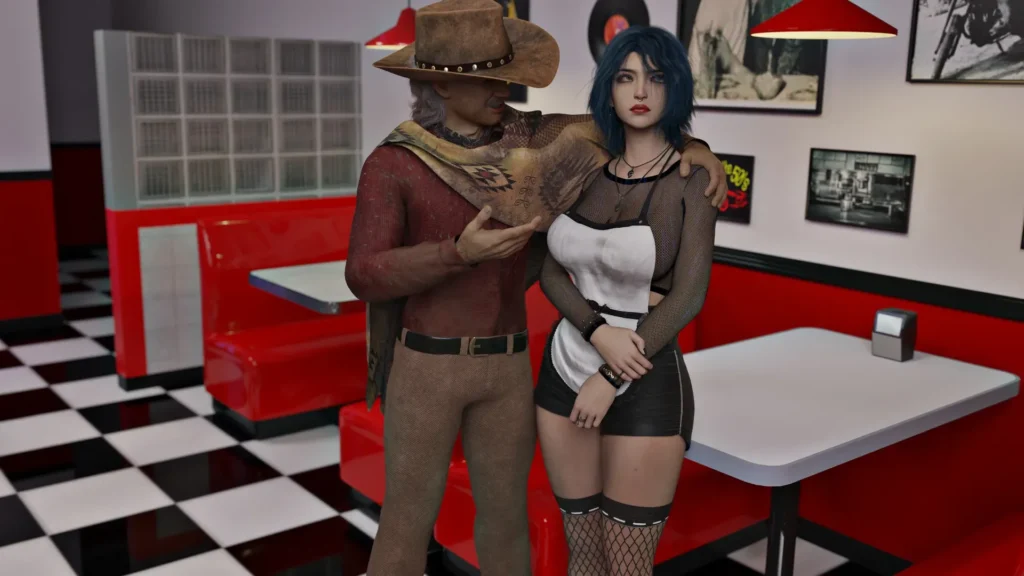



The Restaurant review
A practical, player-focused guide to The Restaurant experience
The Restaurant is an adult-themed interactive simulation that blends narrative choices, character interactions, and management-style mechanics to create a unique experience for players. This article dives into The Restaurant game, covering its core systems, character relationships, progression loops, customization options, and practical tips for a better playthrough. I include personal observations from my time with the title, step-by-step guidance for new players, and safety considerations so you can enjoy the game responsibly.
Getting Started: Installation, Requirements, and Interface
So, you’ve picked up a copy of The Restaurant and you’re ready to dive in. Awesome choice! 🎮 But before you can start seating customers and managing your kitchen staff, there’s the all-important setup phase. I remember my first time—I was so excited that I just clicked ‘install’ and hoped for the best, only to be greeted by choppy framerates and a confusing menu. Let’s make sure your first experience is way smoother than mine.
This guide is your practical roadmap. We’ll walk through the The Restaurant system requirements, the step-by-step process to install The Restaurant game, and get you comfortable with all the menus and settings. Think of it as your pre-service shift meeting. By the end, you’ll have the game running beautifully and understand the lay of the land, so you can focus on the fun part: running your own culinary empire.
System requirements and installation steps
First things first: can your computer handle it? Nothing kills the vibe faster than a slideshow during the dinner rush. Let’s check the specs. The good news is that The Restaurant is pretty well-optimized. You don’t need a NASA supercomputer to run it, but paying attention to the recommended specs will make your experience much more enjoyable.
Here’s a clear breakdown of what you’ll need:
| Component | Minimum Requirements | Recommended Specifications |
|---|---|---|
| OS | Windows 10 (64-bit) | Windows 10/11 (64-bit) |
| CPU/Processor | Intel Core i5-4460 or AMD FX-6300 | Intel Core i7-6700 or AMD Ryzen 5 1500X |
| RAM | 8 GB | 16 GB |
| GPU/Graphics | NVIDIA GeForce GTX 760 or AMD Radeon R7 260x | NVIDIA GeForce GTX 1060 or AMD Radeon RX 580 |
| Storage | 15 GB available space (SSD recommended) | 15 GB available space on an SSD |
🔍 Personal Tip: If your PC sits comfortably between the minimum and recommended The Restaurant system requirements, I’d suggest aiming for the recommended. The extra RAM and a solid GPU will let you crank up the customer detail and lighting effects, which really bring the dining room to life. If you’re on a laptop, make sure it’s plugged in and set to a high-performance power plan!
Now, let’s get the game on your machine. The most common way to install The Restaurant game is through a major digital platform client (like Steam). The process is nearly identical across platforms.
Here are your The Restaurant installation steps:
- Launch your platform client (e.g., Steam) and log into your account.
- Navigate to your Library and click on ‘+ Add a Game’ or find The Restaurant in your purchased list.
- Click the big ‘Install’ button. 🚀
- A window will pop up asking you to choose an install location. If you have an SSD, pick that drive! It drastically reduces load times.
- Confirm, and the download will begin. The 15 GB size means it might take a little while—perfect time to grab a snack!
- Once downloaded, the client usually handles any necessary prerequisites (like DirectX or Visual C++ runtimes) automatically.
Troubleshooting Tip: If the game fails to launch after installation, a super common fix is to verify the integrity of the game files. In your platform client, right-click on The Restaurant in your library, go to ‘Properties’ > ‘Installed Files’, and click ‘Verify Integrity of Game Files’. This checks for corrupted downloads and replaces them. It saved me once when my initial download got interrupted!
With the game installed, you’re just a click away from your first shift.
Navigating the main interface and menus
Double-click that icon and let’s boot it up! 🖥️ The opening cinematic sets the mood, and then you’ll land on the main menu. Don’t worry if it looks a bit busy at first—we’re going to break down every crucial part of The Restaurant UI guide.
- The Central Menu: This is your command center. You’ll see options like ‘New Game’, ‘Load Game’, ‘Options’, and ‘Exit’. It’s straightforward. The art here is usually dynamic, showing off different areas of your restaurant.
- The Load Game Screen: This is where you manage The Restaurant save files. It shows a list of save slots with helpful previews: the date, in-game time, your restaurant’s name, and current funds. I highly recommend using multiple save slots. Don’t just overwrite one file forever. Create a new save at the start of each major in-game day. Trust me, you’ll thank yourself if a major decision backfires!
- The Options/Setup Menu: We’ll dive deep here in the next section. This is your hub for tweaking everything.
- Character Roster & Day Planner: Once you’re in a game, these are your most important screens. The Character Roster (often an icon of faces) lets you hire, fire, and manage your staff’s skills and schedules. The Day Planner is your timeline—you can pause, speed up, or slow down time, and schedule events like marketing campaigns or equipment maintenance.
- In-Game HUD: During service, keep an eye on the top and bottom of the screen. You’ll see your daily budget, customer satisfaction meter, a queue of pending orders, and a quick-access toolbar for your inventory (ingredients, furniture, decorations). It’s designed to give you all the vital info at a glance without being too intrusive.
The UI is clean and most tooltips appear if you hover over something. Take five minutes when you first start just to hover over every icon. It’s the fastest way to learn the layout.
First-time setup: profiles, saves, and settings
Alright, you’ve seen the menu. Now let’s configure your game before you hit ‘New Game’. This is where you optimize performance The Restaurant and tailor the experience to your liking.
First, head into ‘Options’. You’ll likely see several tabs: Graphics, Audio, Gameplay, and Controls.
Graphics Settings: Finding the Sweet Spot 🎨
This is the most important tab to get right. If you’re meeting the recommended The Restaurant system requirements, you can probably start with the ‘High’ preset. If you’re closer to minimum, start with ‘Medium’.
* My Personal Go-To: I use a mix of ‘High’ and ‘Custom’. I turn Shadow Quality and Reflections down one notch from max—these are big performance hitters for minimal visual gain in the chaos of service. I always keep Texture Quality on high if I have the VRAM. The ‘VSync’ option can help if you see screen tearing, but if your monitor has a high refresh rate, you might want it off.
* The Golden Rule for Performance: The biggest game settings The Restaurant has for smoothness is Render Resolution/Scaling. If the game feels stuttery even on low settings, try setting this to 90-95%. It’s often less noticeable than huge drops in other details.
Audio Settings:
Pretty standard here. Adjust your master, music, and effects volume. I often turn down the music slightly and crank up the effects so I can hear the satisfying sizzle of the grill and the cha-ching of the cash register clearly!
Gameplay & Profile Setup:
Here’s where you make the game yours. When you start a new game, you’ll often be asked to create a profile or name your first restauranteur. This name might appear on in-game leaderboards if you use certain features.
* Saving Strategy: As mentioned, the game typically uses a save slot system. The Restaurant save files are named automatically with your restaurant name and date. I create a manual save named “Day_1_Start” and then use two rotating saves: “Restaurant_Playthrough_A” and “Restaurant_Playthrough_B”, alternating between them every in-game day. It’s a bit obsessive, but it has saved countless hours of progress.
* Difficulty & Content: Some games offer settings like ‘Tutorial Hints’ (leave these ON for your first playthrough!) or adjustable challenge levels. The Restaurant might let you toggle things like customer patience, ingredient spoilage rate, or loan interest. For a first play, I recommend standard/default settings to learn the core loop.
Your First-Session Checklist:
Here’s a condensed walkthrough to get you from zero to hero.
- ✅ Verify System Specs: Check your PC against the requirements table above.
- ✅ Begin Installation: Follow the The Restaurant installation steps on your game platform.
- ✅ Launch & Adjust Settings: Open the game, go to Options, and set your Graphics preset (try ‘High’ or ‘Medium’). Turn down Shadows if needed.
- ✅ Create a Profile: Start a New Game, enter your chef/manager’s name.
- ✅ Execute Your First Save: Immediately after gaining control, open the menu and make a manual save in Slot 1. Name it “FirstDay_Backup”.
- ✅ Pause and Look: With the game paused, hover your mouse over every UI icon on the screen to learn your tools.
- ✅ Start Slow: Begin your first in-game day. Don’t try to do everything at once. Focus on seating one table and completing one order perfectly.
By following this guide, you’ve laid a rock-solid foundation. You’ve ensured your PC can handle the heat, you’ve mastered the The Restaurant installation steps, you understand the game settings The Restaurant offers, and you know your way around the interface. The kitchen is now officially open. Time to get cooking! 👨🍳👩🍳
The Restaurant offers a layered experience that mixes narrative choices, character interaction, and resource-driven progression; understanding installation, core mechanics, character systems, and community resources will make your playthrough more enjoyable and less stressful. Use the setup and performance tips to get started quickly, follow the suggested priorities for early progression, back up saves before trying alternate paths or community mods, and apply the privacy and time-management steps to keep play responsible. If you enjoyed this guide, try a focused replay using the save strategies above and join a community hub to trade tips and scenes with other players.