Rainy Day
Play Rainy Day
Rainy Day Screenshots

















Rainy Day review
Exploring the Features, Gameplay, and Player Insights of Rainy Day
Rainy Day is an immersive adult-themed interactive game that combines storytelling with engaging gameplay mechanics. This article explores the core aspects of Rainy Day, focusing on its unique features, gameplay dynamics, and what players can expect from this experience. Whether you are new to the game or looking to deepen your understanding, this guide provides a comprehensive overview to enhance your appreciation of Rainy Day.
Exploring Rainy Day: Gameplay and Features
Ever feel like you’ve seen it all in interactive stories? 🎮 Many titles promise deep narratives but deliver predictable paths where your input feels more like a polite suggestion than a decisive action. That’s exactly why I was so intrigued when I first booted up Rainy Day. It promised something different—a space where the ambiance was as crucial as the dialogue, and my choices genuinely carved unique rivers through the story’s landscape.
This isn’t just another visual novel; it’s a masterclass in atmospheric storytelling and player agency. Let’s pull back the curtain and explore what truly makes this interactive adult game a standout experience, from its clever Rainy Day gameplay mechanics to the profound weight of its player choices impact. ☔
What Makes Rainy Day Stand Out?
At its heart, Rainy Day distinguishes itself through mood and consequence. While many games in its category focus heavily on explicit milestones, Rainy Day invests in the journey—the quiet, reflective, and often tense spaces between major story beats. The game’s namesake weather isn’t just a backdrop; it’s a core Rainy Day game feature that influences everything. The constant patter of rain on windows, the gloomy yet intimate lighting, and the soundtrack of distant thunder create a cocoon of introspection that perfectly frames the narrative.
This atmospheric pressure cooker amplifies every interaction. A simple conversation over a cup of coffee feels loaded with subtext because of the world built around it. The game understands that in a great story, where and when something happens is just as important as what happens. This deliberate focus on environment as a character is a key part of the unique narrative structure Rainy Day employs, setting it apart from more static or visually repetitive peers.
Core Gameplay Mechanics
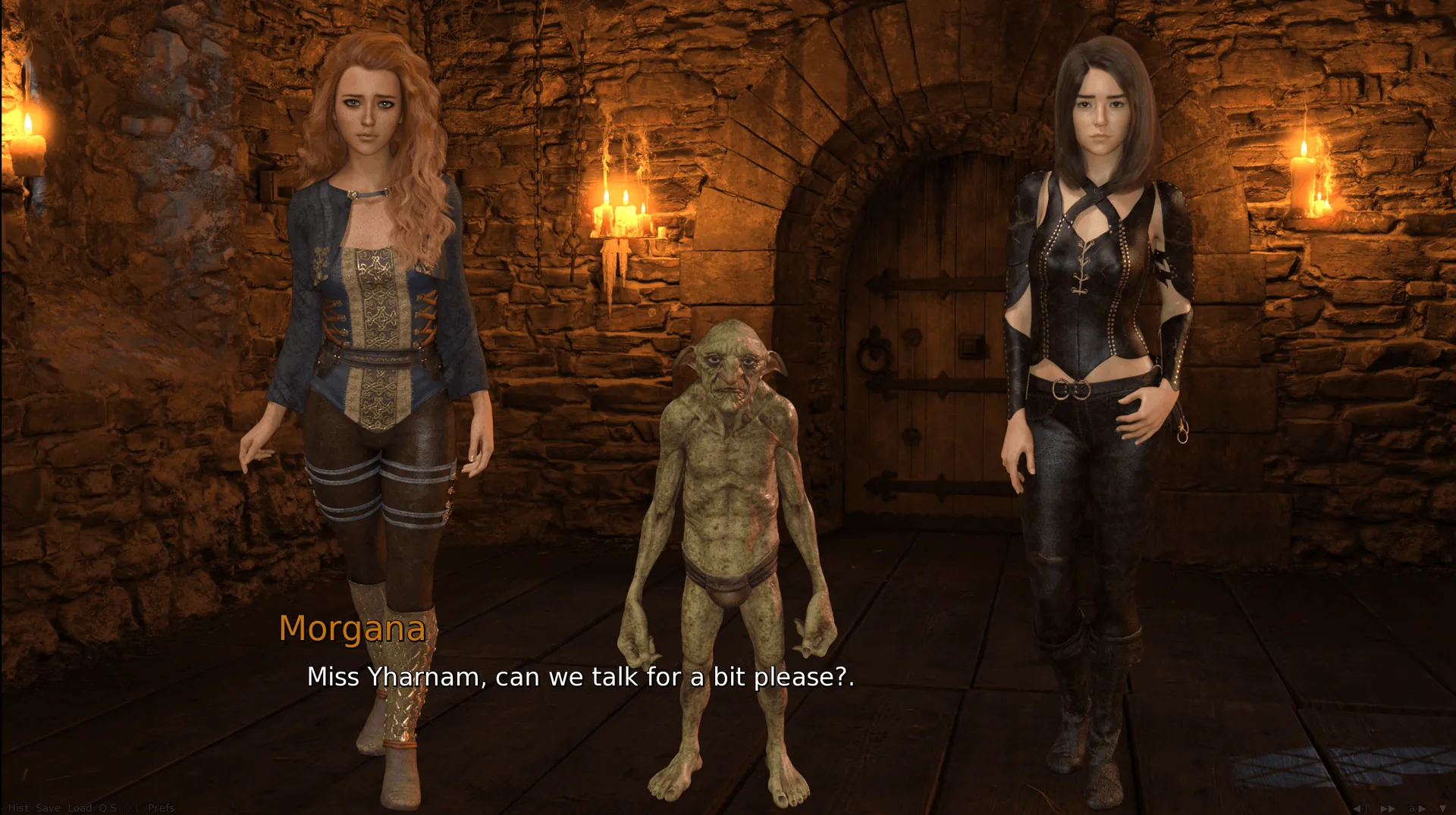
So, how do you actually play? The Rainy Day gameplay mechanics are elegantly simple on the surface but harbor deep complexity. You navigate through beautifully rendered environments, clicking to examine items, move between locations, and initiate conversations. The magic lies in the dialogue tree system and the “Mood” and “Connection” meters.
Every conversation presents you with multiple response options, but these aren’t just about being “nice” or “mean.” They can be inquisitive, withdrawn, humorous, vulnerable, or pragmatic. Your selections directly feed two invisible stat trackers: one reflecting the emotional state (Mood) of the character you’re engaging with, and another tracking the depth of your bond (Connection). These meters aren’t shown to you blatantly—you have to read the room, the character’s facial expressions, and their subsequent dialogue to gauge your effect.
Pro Tip: Don’t rush through dialogues! The game often gives you a moment to linger. Use that time. The most impactful choices are sometimes the silent ones—choosing to put a hand on a shoulder or simply walk away can speak volumes.
Furthermore, exploration is rewarded. Clicking on environmental details—a old photograph, a half-read book, the view from a rain-streaked window—can unlock special knowledge or internal monologues that provide crucial context. This information can later open up new dialogue paths, making thorough exploration a vital Rainy Day game feature.
To give you a clearer picture, here’s a breakdown of its core interactive systems:
| Mechanic | Function | Player Impact |
|---|---|---|
| Atmospheric Interaction | Clicking on environmental elements during key scenes. | Unlocks backstory, alters character perception, and can trigger unique, quiet moments that deepen the narrative. |
| Layered Dialogue Trees | Multi-branching conversation options with tonal variety. | Directly influences hidden “Mood” and “Connection” stats, determining which scenes and endings become available. |
| Time & Pacing Control | Player controls the speed of progression and can often choose to “wait” or “proceed.” | Creates a personalized rhythm, allowing for tension to build or recede, making the story feel self-directed. |
| Subtle Feedback Systems | Character animations, shifts in music, and changes in ambient sound. | Provides intuitive, non-intrusive cues about the success or consequence of an interaction without UI clutter. |
Character Interaction and Story Progression
This is where Rainy Day truly shines. The character interaction Rainy Day offers is nuanced and authentic. Characters have their own fears, desires, and inconsistencies. They remember your previous conversations, and they react to patterns in your behavior. If you’re consistently sarcastic, they may become guarded. If you’ve shown vulnerability in a past moment, they might reciprocate later when you least expect it.
The story progression Rainy Day crafts is not linear. Think of it less like a railroad and more like a web. Your decisions, both big and small, activate or deactivate entire narrative threads. There is no “right” path, only your path. This is the essence of its narrative structure Rainy Day players rave about—a structure that feels responsive and deeply personal.
A Personal Anecdote: In my first playthrough, I approached a tense scene with what I thought was logical, problem-solving advice. The character shut down, and our relationship hit a frosty patch that took several in-game hours to thaw. In my second run, I simply chose the dialogue option to listen—no advice, just quiet empathy. The character opened up, sharing a crucial secret that completely changed my understanding of the next chapter and unlocked a tender, intimate scene I never knew existed. The player choices impact wasn’t about a morality score; it was about demonstrating emotional intelligence, and the game rewarded that authentically.
The game masterfully uses its runtime to let relationships breathe. A shared, silent moment watching the rain can be as significant as a heated argument. This pacing makes every breakthrough feel earned and every setback feel poignant. For new players, my strongest advice is to role-play authentically. Don’t try to “game” the system to see all the content in one run. Commit to a personality for your protagonist and see where those choices lead. The replay value is immense, as each path reveals different facets of the characters and the central story.
Ultimately, the Rainy Day game features and Rainy Day gameplay mechanics coalesce into an experience that respects your intelligence and emotional investment. It’s a powerful reminder that in the best interactive adult games, the most compelling drama isn’t always about grand events, but about the quiet, human moments in between—moments made all the more powerful when you are the one shaping them. 🌧️✨
Rainy Day offers a distinctive interactive experience that blends narrative depth with engaging gameplay mechanics. Its focus on player choices and character interactions creates a dynamic environment that keeps players invested. Whether you are exploring the storyline or experimenting with different gameplay strategies, Rainy Day provides a rich and immersive experience. Dive into the game today to discover its unique world and enjoy a personalized journey unlike any other.